
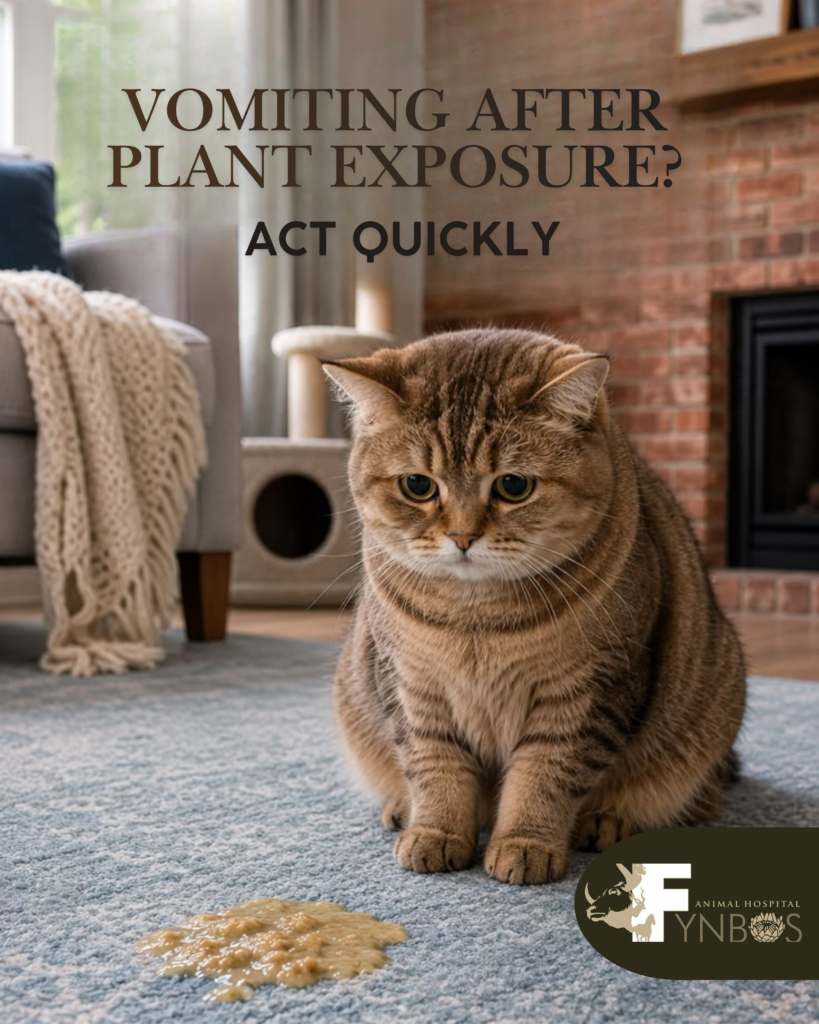
A curious dog digging in the garden or a cat brushing against a flower arrangement might seem harmless. Some common plants pose a serious risk to pets.
Plant poisoning ranges from mild mouth irritation and digestive upset to kidney damage, liver failure, heart problems, seizures or death. The outcome depends on the plant, the part eaten, the quantity and the animal involved.
Quick veterinary advice matters. Do not wait for symptoms if you suspect your pet ate a toxic plant.
𝐖𝐇𝐘 𝐓𝐎𝐗𝐈𝐂 𝐏𝐋𝐀𝐍𝐓𝐒 𝐀𝐅𝐅𝐄𝐂𝐓 𝐏𝐄𝐓𝐒 𝐃𝐈𝐅𝐅𝐄𝐑𝐄𝐍𝐓𝐋𝐘
A plant that causes mild stomach irritation in one animal might cause severe organ damage in another. Cats and dogs also react differently to certain plants.
True lilies from the Lilium and Hemerocallis groups pose an extreme risk to cats. Exposure to the petals, leaves, stems, pollen or water from a vase might lead to acute kidney damage.
Oleander affects the heart and digestive system. Cycads, often called sago palms or broodboom, contain toxins linked to severe liver damage. Their seeds contain a high concentration of toxins.
Azaleas and rhododendrons affect the digestive, nervous and cardiovascular systems. The severity depends on the amount eaten and the size of the animal.
The Merck Veterinary Manual explains that toxicity differs between plant species and animal species. This makes professional veterinary assessment important.
𝐖𝐇𝐀𝐓 𝐓𝐎 𝐃𝐎 𝐈𝐅 𝐘𝐎𝐔𝐑 𝐏𝐄𝐓 𝐄𝐀𝐓𝐒 𝐀 𝐓𝐎𝐗𝐈𝐂 𝐏𝐋𝐀𝐍𝐓
𝟏. 𝐌𝐎𝐕𝐄 𝐘𝐎𝐔𝐑 𝐏𝐄𝐓 𝐀𝐖𝐀𝐘 𝐅𝐑𝐎𝐌 𝐓𝐇𝐄 𝐏𝐋𝐀𝐍𝐓
Prevent further exposure. Move your pet to a safe area and keep other animals away from the plant.
Look inside your pet’s mouth if your pet allows safe handling. Remove loose plant material that is easy to reach. Do not force your hand into the mouth of a distressed, choking or aggressive animal.
𝟐. 𝐈𝐃𝐄𝐍𝐓𝐈𝐅𝐘 𝐓𝐇𝐄 𝐏𝐋𝐀𝐍𝐓
Take clear photographs of:
- The entire plant
- The leaves
- The flowers
- The fruit or seeds
- The pot, label or packaging
Safely collect a small sample if possible. Place it in a sealed bag or container and keep it away from your pet.
Do not delay veterinary care while trying to identify the plant. A photograph or sample will help the veterinary team investigate the exposure.
𝟑. 𝐆𝐀𝐓𝐇𝐄𝐑 𝐈𝐌𝐏𝐎𝐑𝐓𝐀𝐍𝐓 𝐈𝐍𝐅𝐎𝐑𝐌𝐀𝐓𝐈𝐎𝐍
Before contacting your veterinarian, note:
- Your pet’s species and approximate weight
- The name of the plant, if known
- Which part of the plant was eaten
- The estimated amount
- The time of exposure
- Any symptoms already present
- Existing medical conditions
- Medication your pet currently receives
Tell the veterinarian if the plant was recently treated with pesticide, fertiliser or another garden product.
𝟒. 𝐂𝐎𝐍𝐓𝐀𝐂𝐓 𝐘𝐎𝐔𝐑 𝐕𝐄𝐓𝐄𝐑𝐈𝐍𝐀𝐑𝐈𝐀𝐍 𝐈𝐌𝐌𝐄𝐃𝐈𝐀𝐓𝐄𝐋𝐘
Contact Fynbos Animal Hospital as soon as you suspect exposure to a toxic plant.
Do not wait for vomiting, weakness or other symptoms. Some toxins start damaging internal organs before visible signs appear.
The veterinary team will assess the plant involved, the likely dose, your pet’s size and the time since exposure. They will then advise you on the next step.
The ASPCA Animal Poison Control Center also advises pet owners to contact a veterinarian promptly after possible ingestion of a poisonous substance.
𝟓. 𝐃𝐎 𝐍𝐎𝐓 𝐈𝐍𝐃𝐔𝐂𝐄 𝐕𝐎𝐌𝐈𝐓𝐈𝐍𝐆 𝐀𝐓 𝐇𝐎𝐌𝐄
Never try to make your pet vomit unless a veterinarian gives you direct instructions.
Vomiting is unsuitable for certain toxins and medical conditions. It also creates a risk of choking or breathing stomach contents into the lungs.
Do not give your pet:
- Salt
- Milk
- Cooking oil
- Hydrogen peroxide
- Activated charcoal
- Human medication
- Herbal mixtures
- Food intended to absorb the toxin
Home remedies waste valuable time and sometimes make the situation worse. The Pet Poison Helpline advises owners not to induce vomiting or give home antidotes without professional guidance.
𝐒𝐈𝐆𝐍𝐒 𝐎𝐅 𝐏𝐋𝐀𝐍𝐓 𝐏𝐎𝐈𝐒𝐎𝐍𝐈𝐍𝐆 𝐈𝐍 𝐏𝐄𝐓𝐒
Symptoms vary according to the plant and the amount eaten.
Watch for:
- Vomiting
- Diarrhoea
- Excessive drooling
- Pawing at the mouth
- Swelling around the mouth or tongue
- Loss of appetite
- Unusual thirst
- Frequent or reduced urination
- Weakness
- Difficulty walking
- Tremors
- Seizures
- Collapse
- Difficulty breathing
- A slow, fast or irregular heartbeat
- Yellow gums, skin or eyes
Treat difficulty breathing, collapse, seizures, severe weakness or loss of consciousness as an emergency.
A pet might still appear normal shortly after exposure. The absence of symptoms does not confirm safety.
𝐂𝐎𝐌𝐌𝐎𝐍 𝐓𝐎𝐗𝐈𝐂 𝐏𝐋𝐀𝐍𝐓𝐒 𝐅𝐎𝐔𝐍𝐃 𝐀𝐑𝐎𝐔𝐍𝐃 𝐇𝐎𝐌𝐄𝐒 𝐀𝐍𝐃 𝐆𝐀𝐑𝐃𝐄𝐍𝐒
𝐓𝐑𝐔𝐄 𝐋𝐈𝐋𝐈𝐄𝐒
True lilies pose a severe risk to cats. Small amounts of pollen, plant material or vase water might result in kidney damage.
Not every plant with “lily” in its name belongs to the same plant group. Take a photograph and let your veterinarian identify the plant.
𝐂𝐘𝐂𝐀𝐃𝐒
All parts of a cycad are toxic. The seeds pose the greatest risk. Ingestion is associated with vomiting, diarrhoea, bleeding problems and liver failure.
Dogs often investigate or chew the seeds. Remove fallen seeds from areas your pets access.
𝐎𝐋𝐄𝐀𝐍𝐃𝐄𝐑
Oleander is toxic to dogs, cats and other animals. Every part of the plant contains toxic compounds, including dried leaves and cut branches.
Possible signs include drooling, vomiting, weakness, tremors and changes in heart rhythm.
𝐀𝐙𝐀𝐋𝐄𝐀𝐒 𝐀𝐍𝐃 𝐑𝐇𝐎𝐃𝐎𝐃𝐄𝐍𝐃𝐑𝐎𝐍𝐒
These flowering shrubs contain grayanotoxins. Ingestion might cause drooling, vomiting, weakness, abnormal heart rhythms, tremors or seizures.
𝐘𝐄𝐒𝐓𝐄𝐑𝐃𝐀𝐘, 𝐓𝐎𝐃𝐀𝐘 𝐀𝐍𝐃 𝐓𝐎𝐌𝐎𝐑𝐑𝐎𝐖
Brunfelsia, commonly known as yesterday, today and tomorrow, grows in many southern African gardens. Exposure has been linked to vomiting, drooling, poor coordination, tremors and seizures.
A review published by the Journal of the South African Veterinary Association identifies lilies, cycads, Brunfelsia and several other plants as potential poisoning risks for dogs and cats in southern Africa.
𝐖𝐇𝐀𝐓 𝐓𝐎 𝐄𝐗𝐏𝐄𝐂𝐓 𝐀𝐓 𝐓𝐇𝐄 𝐀𝐍𝐈𝐌𝐀𝐋 𝐇𝐎𝐒𝐏𝐈𝐓𝐀𝐋
Treatment depends on the plant, the symptoms and the time since ingestion.
Your veterinarian might recommend:
- A physical examination
- Blood or urine tests
- Heart monitoring
- Intravenous fluids
- Medication for nausea, pain or seizures
- Treatment to reduce toxin absorption
- Monitoring of kidney or liver function
- Hospitalisation
Early treatment often gives the veterinary team more options. Follow-up blood tests might be needed after certain exposures, even when your pet seems better.
𝐇𝐎𝐖 𝐓𝐎 𝐑𝐄𝐃𝐔𝐂𝐄 𝐓𝐇𝐄 𝐑𝐈𝐒𝐊 𝐎𝐅 𝐏𝐋𝐀𝐍𝐓 𝐏𝐎𝐈𝐒𝐎𝐍𝐈𝐍𝐆
𝐂𝐇𝐄𝐂𝐊 𝐘𝐎𝐔𝐑 𝐇𝐎𝐌𝐄 𝐀𝐍𝐃 𝐆𝐀𝐑𝐃𝐄𝐍
Identify every plant in areas your pets access. Ask a nursery or horticulturist for help when you are unsure.
𝐊𝐄𝐄𝐏 𝐁𝐎𝐔𝐐𝐔𝐄𝐓𝐒 𝐎𝐔𝐓 𝐎𝐅 𝐑𝐄𝐀𝐂𝐇
Cut flowers also pose a risk. Remove true lilies from homes with cats. Remember that fallen pollen and vase water are part of the exposure risk.
𝐑𝐄𝐌𝐎𝐕𝐄 𝐅𝐀𝐋𝐋𝐄𝐍 𝐒𝐄𝐄𝐃𝐒 𝐀𝐍𝐃 𝐋𝐄𝐀𝐕𝐄𝐒
Regularly clear seeds, berries, bulbs and plant clippings from the garden. Cycad seeds deserve special attention.
𝐒𝐔𝐏𝐄𝐑𝐕𝐈𝐒𝐄 𝐂𝐔𝐑𝐈𝐎𝐔𝐒 𝐏𝐄𝐓𝐒
Puppies, young dogs and pets that chew objects need closer supervision outdoors. Provide suitable toys and prevent access to garden beds.
𝐒𝐀𝐕𝐄 𝐘𝐎𝐔𝐑 𝐕𝐄𝐓𝐄𝐑𝐈𝐍𝐀𝐑𝐈𝐀𝐍’𝐒 𝐃𝐄𝐓𝐀𝐈𝐋𝐒
Store Fynbos Animal Hospital’s daytime and after-hours numbers on your phone. Quick access saves time during an emergency.
𝐕𝐄𝐓𝐄𝐑𝐈𝐍𝐀𝐑𝐘 𝐂𝐀𝐑𝐄 𝐅𝐎𝐑 𝐏𝐄𝐓 𝐎𝐖𝐍𝐄𝐑𝐒 𝐀𝐂𝐑𝐎𝐒𝐒 𝐓𝐇𝐄 𝐁𝐑𝐄𝐄𝐃𝐄 𝐕𝐀𝐋𝐋𝐄𝐘
Fynbos Animal Hospital supports pet owners in Worcester and surrounding Western Cape communities, including Rawsonville, Villiersdorp, Ceres, De Doorns and Robertson.
If you suspect your pet ate a toxic plant, contact the hospital immediately. Take a photograph or sample of the plant with you.
Fynbos Animal Hospital
023 022 0200
After-hours: 076 787 1646
71 Baring Street, Worcester
info@fynbosah.co.za
fynbosah.co.za
𝐀𝐂𝐓 𝐁𝐄𝐅𝐎𝐑𝐄 𝐒𝐘𝐌𝐏𝐓𝐎𝐌𝐒 𝐀𝐏𝐏𝐄𝐀𝐑
Plant poisoning does not always cause immediate or obvious symptoms. Identify the plant, gather the available information and contact your veterinarian without delay.
Fast action gives your pet the best chance of receiving the right treatment at the right time.